The maritime consequences of peace

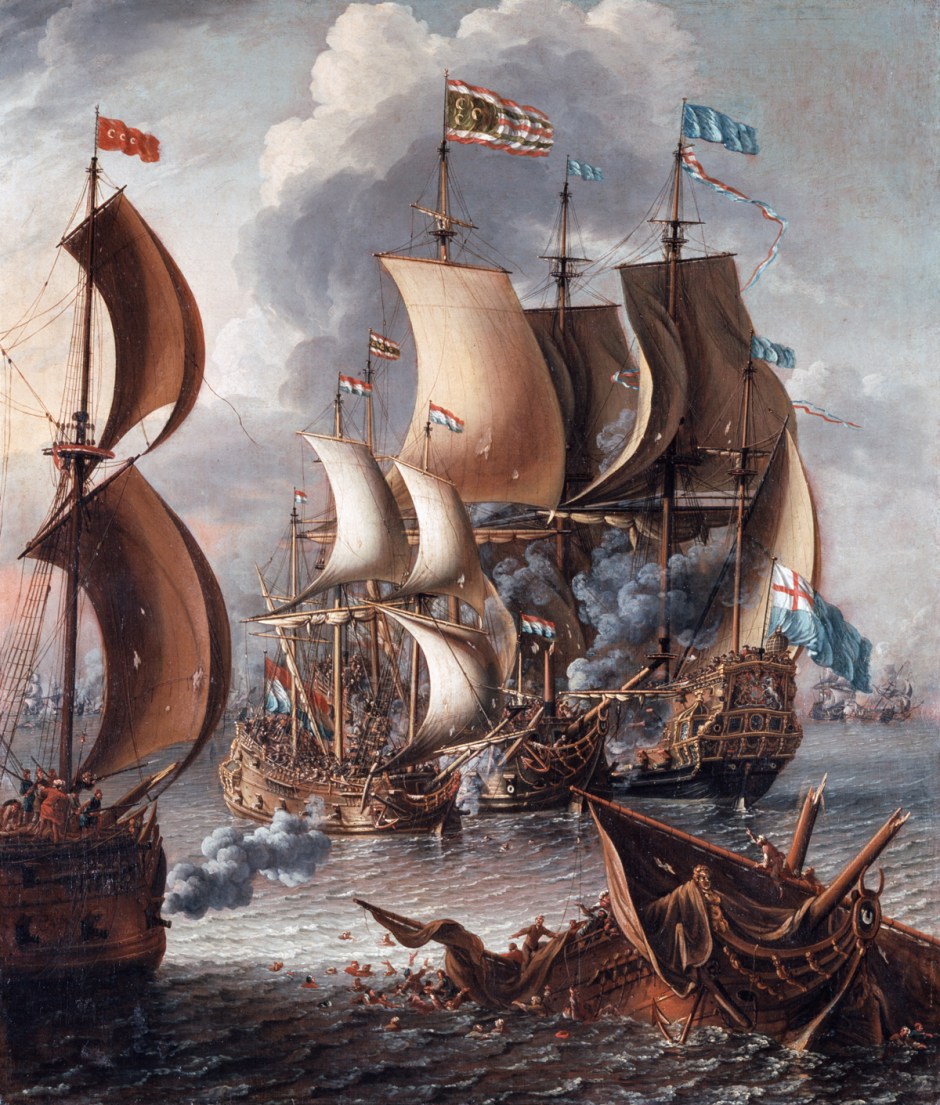
“The maritime consequences of peace: The impact of treaties with the Barbary states on Venetian shipping in the eighteenth century”, published by Pierre Niccolò Sofia in the May 2024 issue of the IJMH

From a maritime-history perspective, little is still known about eighteenth-century Venice, especially in non-Italian literature. Classic interpretations of eighteenth-century Venetian shipping suggest that the Venetians never regained a significant role as carriers in the Mediterranean after the sixteenth century. Although Venetian shipping was heavily impacted by the arrival of the ‘Northerners’ in the Mediterranean at the end of the sixteenth century, its capacity for long-term recovery has yet to be clarified. The primary impediment to Venetian maritime activity was the high threat of attacks by the so-called ‘Barbary corsairs’ on their merchant ships, which drove up transport costs. The Republic of Venice signed treaties with Algiers, Morocco, Tripoli and Tunis from 1763 onwards, but historians remain sceptical about the effects of this peace. This article seeks to demonstrate that the treaties with the Barbary states represented a groundbreaking turning point for eighteenth-century Venetian shipping: from the 1760s onwards, liberated from the burden of high risks and high protection costs, Venetian shipping made a vigorous and lasting resurgence on all routes in the Mediterranean and beyond. Following the treaties, the Venetians became significant carriers in the Mediterranean sea trade and were able to rival other competitors in international markets. From this standpoint, the Venetian shipping sector not only recovered but also flourished until the ultimate dissolution of the Republic in 1797.

Read it at this link (requires subscription): https://journals.sagepub.com/…/10.1177/08438714231207766

Conflicts and tensions in port societies

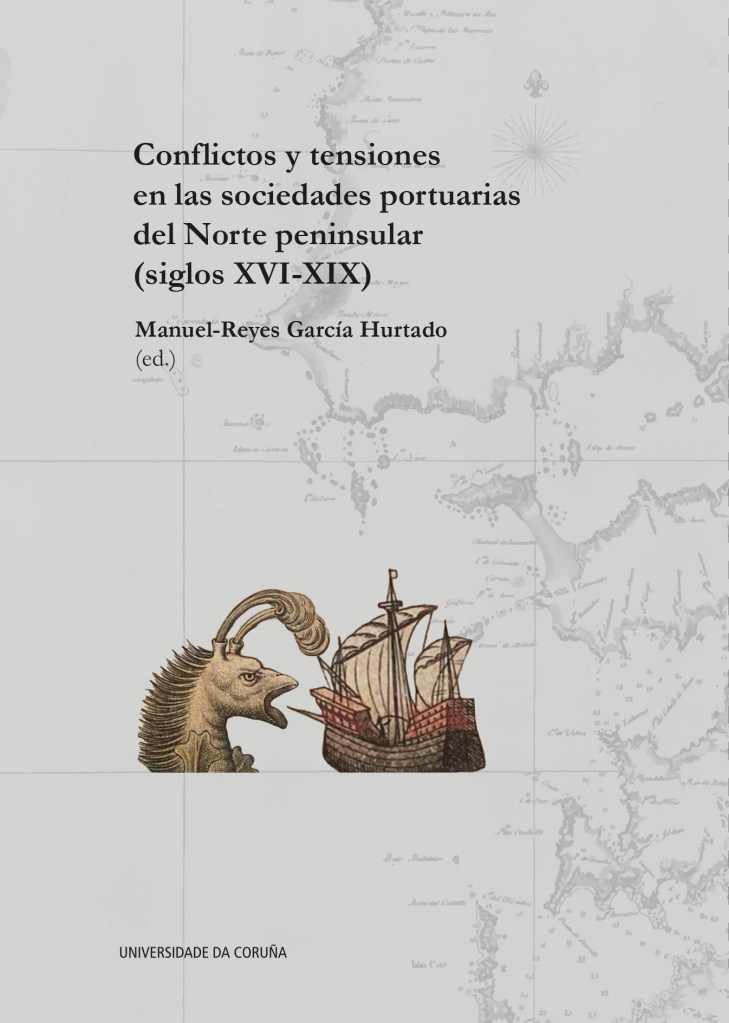
Conflictos y tensiones en las sociedades portuarias del norte peninsular (S. XVI_XIX), edited by Manuel-Reyes García Hurtado

In historiography, Spanish maritime and naval history has undoubtedly received the least attention, not only in relation to the European states that played an important role in the oceans of the Modern Age (especially France and England), but even if we compare the existing bibliography for territories that played a very secondary role with that published on Spain. This scarcity of research is slowly beginning to be alleviated in recent years, thanks to articles, monographs and doctoral theses that have become new reference titles. The subject matter is diverse, but the main focus is on institutional analysis, centred on naval policy, particularly on aspects such as the supply of manpower for the arsenals, crews, shipbuilding, supplies, etc.

Germán Jiménez-Montes publishes a review in the May 2024 issue of the IJMH. Read it at this link (requires subscription): https://journals.sagepub.com/…/10.1177/08438714241231409

The problem of winter navigation in the medieval Black Sea

“The problem of winter navigation in the medieval Black Sea” by Andrei Mirea in the May 2024 issue of the IJMH

Unlike the pre-industrial practice of winter navigation in the Mediterranean Sea, which has been the subject of numerous studies, winter seafaring on the medieval Black Sea has not previously been the subject of thorough scholarly investigation, not least because the available sources are relatively few and fairly circumstantial. Being aware of the limitations of the present survey, the author attempts to gather together and reinterpret several instances dating from the period of the Byzantine and Italian domination over the Black Sea, which can shed some light on the seamen’s often complicated relation with the winter season. The majority of the extant sources date from the last two centuries of the Middle Ages, an era that witnessed substantial technological developments which contributed to the amelioration of winter navigation. This study chiefly aims to highlight the unresolved issues and address the challenges that such a topic of inquiry presents.

Read it at this link (requires subscription):

https://journals.sagepub.com/…/10.1177/08438714241235796

Armada

Armada. The Spanish Enterprise and England’s Deliverance in 1588, by Colin Martin and Geoffrey Parker

In July 1588 the Spanish Armada sailed from Corunna to conquer England. Three weeks later an English fireship attack in the Channel—and then a fierce naval battle—foiled the planned invasion. Many myths still surround these events. The genius of Sir Francis Drake is exalted, while Spain’s efforts are belittled. But what really happened during that fateful encounter?

Drawing on archives from around the world, Colin Martin and Geoffrey Parker also deploy vital new evidence from Armada shipwrecks off the coasts of Ireland and Scotland. Their gripping, beautifully illustrated account provides a fresh understanding of how the rival fleets came into being; how they looked, sounded, and smelled; and what happened when they finally clashed.

Looking beyond the events of 1588 to the complex politics which made war between England and Spain inevitable, and at the political and dynastic aftermath, Armada deconstructs the many legends to reveal why, ultimately, the bold Spanish mission failed.

A revie by Elliot Jordan is published in the May 2024 issue of the IJMH. It is available at this link: https://journals.sagepub.com/…/10.1177/08438714241230396

Port and city. The economy of the sea in Ancona

“Port and city. The economy of the sea in Ancona from the Unification to the year 2000”, new book by Roberto Giulianelli

Examining Ancona and its relationship with the Adriatic in the contemporary age, this book proposes an interpretation of the sea as the key to interpreting a territory. Reconstructing the paths followed by sectors such as mercantile exchange, fishing, and naval engineering, and measuring their weight both in the Italian panorama and on the international scene, represent the objectives of an investigation that spans a century and a half of history, relying on extensive bibliographic reconnaissance and in-depth archival excavation.”

A review of this book is published by Luisa Piccinno in the May 2024 issue of the International Journal of Maritime History. Read it at the link below (requires subscription)

https://journals.sagepub.com/…/10.1177/08438714241230395

International Conference “Sensory Histories of Water”

Call for Papers – International Conference Sensory Histories of Water 2-4 April 2025 at Museu Marítim de Barcelona, Spain

The conference, held 2-4 April 2025 in Museu Maritím de Barcelona, wishes to cover various topics in connection to sensory history of water. Papers thus may, but are not limited to, include and engage with the following overarching themes:

● Water as a sensible matter: visual, auditory, tactile, gustatory, and/or olfactory experiences of water(s); how they are discussed and represented by different cultures.
● The sensory experience of water of individuals and/or continental and waterfront communities; sensing water as a means of exchange, contact, and friction; emotional responses to water.
● The sensory impact of water on humankind: its influence on community formation, social practices, traditions, cultural productions, and/or rituals; water and well-being.
● Water and identities: the perception and uses of water in communicating and forming individual, social, gender, religious, and cultural identities.
● Water and space: the perception of water informing experiences of shared, individual, public, and private spaces, their usage, and definition.
● Water epistemologies: sensing water as a means of generating knowledge and cultural meaning; water symbolism, water in alchemy, science, magic, mythology, and folklore.

If you are interested in contributing, we will welcome your abstract proposals of 300 words for a paper of 20 minutes and questions no later than 30 October 2024 to sensorywaters2025@gmail.com.

The conference is organised by:

Dr. Antonio Arnieri, UAB – Universitat Autónoma de Barcelona
Dr. des. Tin Cugelj, IMS Study Group Auditory History
Dr. Alexandros Maria Hatzikiriakos, University of St Andrews

Leith-Built Ships

R. O. Neish, Henry Robb Ltd. (1945-1965). Leith Built Ships, Vol. III

The story of Leith–built ships continues in this third volume from just after the conclusion of World War Two to 1965. However, the world was different; the men came back from the front and those women who had been working in the shipyards lost their jobs.

All shipyards were experiencing full order books, replacing, or repairing ships lost or damaged in the conflict, but the industry was changing albeit slowly at first. The advent of electric welding would eventually change the way ships were built leading to the demise of the Rivet Squad, which was replaced as a cost cutting exercise as it became the accepted method of ship construction.

Henry Robb Shipyard participated in the massive new shipbuilding programme with a great many vessels being ordered from two of the largest customers of the yard. Many orders came from the giant Ellerman Lines, while a great many more were ordered by other customers, such as the Union Steamship Company of New Zealand. The Admiralty also remained a customer and a few large supply ships would be built in this time.

In this volume the author has not forgotten the people who were the very fabric of the yard and community. Personal accounts are included from those who built or sailed on these vessels.

This is the story of a mighty industry, but one which nonetheless had begun its decline. In the century from 1893, this nation went from producing 80% of all the worlds’ commercial ships to producing no commercial ships at all. It is a sad fact, but this volume keeps alive the story of the Leith-built ships and the vibrant industry that once existed.

The May 2024 issue of IJMH includes a review by Colin J. Davis. Read it here (subscription needed): https://journals.sagepub.com/…/10.1177/08438714241232481

French Connections

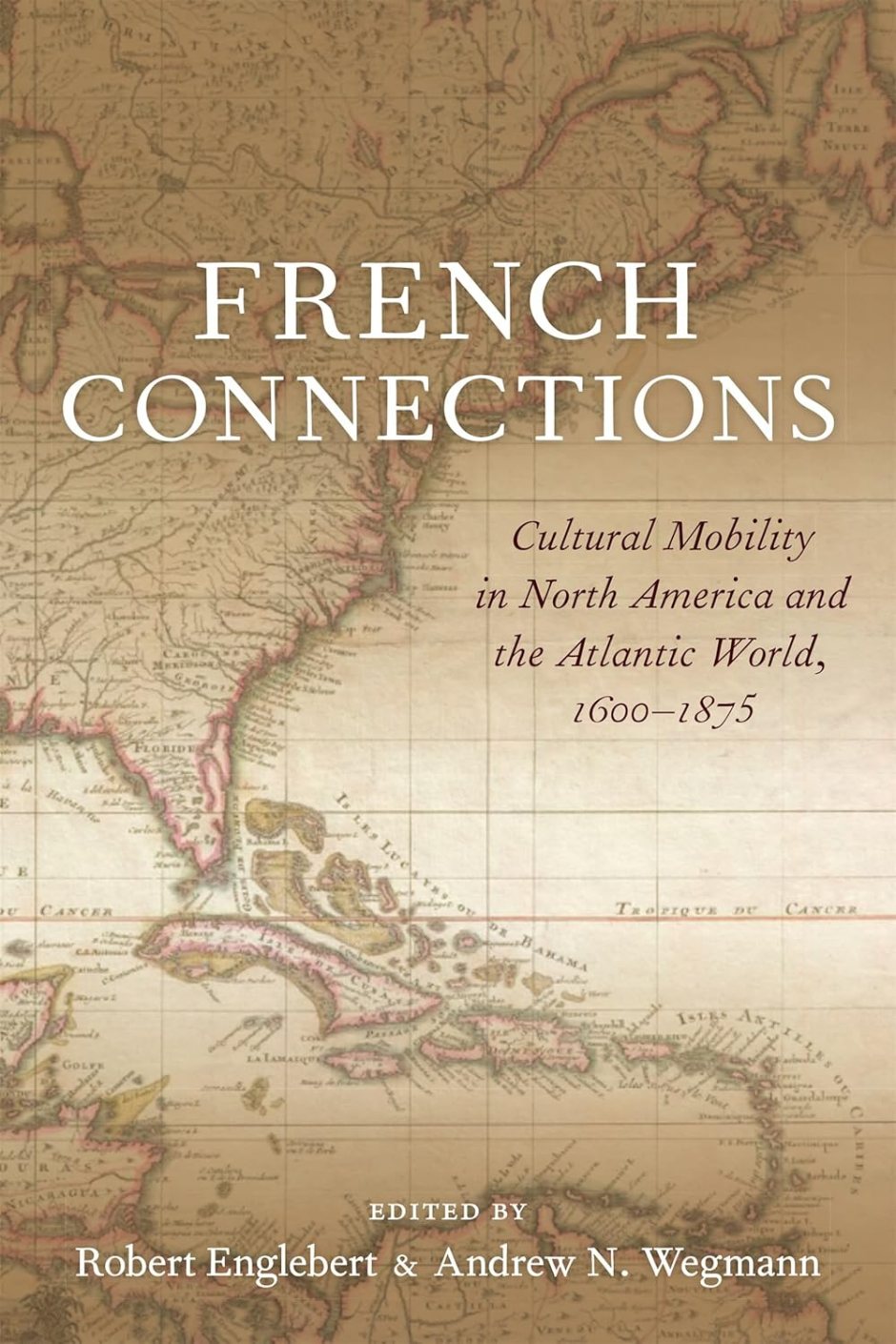
French Connections. Cultural Mobility in North America and the Atlantic World, 1600–1875, Edited by Andrew N. Wegmann and Robert Englebert

Contributions by Brett Rushforth, Ryan André Brasseaux, Jay Gitlin, Karen L. Marrero, Guillaume Teasdale, Robert D. Taber, Christopher Hodson, Gregory Kennedy, Leslie Choquette, William Brown, Mairi Cowan and Vincent Auffrey

French Connections examines how the movement of people, ideas, and social practices contributed to the complex processes and negotiations involved in being and becoming French in North America and the Atlantic World between the years 1600 and 1875. Engaging a wide range of topics, from religious and diplomatic performance to labor migration, racialization, and both imagined and real conceptualizations of “Frenchness” and “Frenchification,” this volume argues that cultural mobility was fundamental to the development of French colonial societies and the collective identities they housed. Cases of cultural formation and dislocation in places as diverse as Quebec, the Illinois Country, Detroit, Haiti, Acadia, New England, and France itself demonstrate the broad variability of French cultural mobility that took place throughout this massive geographical space. Nevertheless, these communities shared the same cultural root in the midst of socially and politically fluid landscapes, where cultural mobility came to define, and indeed sustain, communal and individual identities in French North America and the Atlantic World.

A review by Helen Dewar is published in the IJMH https://journals.sagepub.com/doi/10.1177/08438714241231412

Demarcating Japan

Imperialism, Islanders, and Mobility, 1855–1884 by Takahiro Yamamoto

https://www.hup.harvard.edu/books/9780674291386

Histories of remote islands around Japan are usually told through the prism of territorial disputes. In contrast, Takahiro Yamamoto contends that the transformation of the islands from ambiguous border zones to a territorialized space emerged out of multilateral power relations. Sakhalin, the Kuril Islands, Tsushima, the Bonin Islands, and the Ryukyu Islands became the subject of inter-imperial negotiations during the formative years of modern Japan as empires nudged each other to secure their status with minimal costs rather than fighting a territorial scramble. Based on multiarchival, multilingual research, Demarcating Japan argues that the transformation of border islands should be understood as an interconnected process, where inter-local referencing played a key role in the outcome: Japan’s geographical expansion in the face of domineering Extra-Asian empires.

Thomas Monaghan writes a review of this book in the May 2024 issue of the IJMH. Read it here (requires subscription):

https://journals.sagepub.com/…/10.1177/08438714241230411

New publication in the Research in Maritime History series

Gordon H. Boyce, History of British Tramp Shipping, 1870-1914 (Volume 1), Entry, Enterprise Formation, and Early Firm Growth

Celebrated in the novels of Joseph Conrad and vintage films, tramp ships – the precursor of bulk carriers – are not well understood today. Yet, these vessels transported in bulk essential minerals and ores, grains, timber, and other commodities and played a vital role in creating the modern global economy. While the histories of some individual tramp firms have been written, this book uses personal correspondence and surviving company records to chart the development of the entire industry – the largest in the world- during a period of transformational technical change. Who were the bold, risk-takers who founded tramp firms? How did they mobilise the resources needed to enter this dynamic sector, build immense companies, and accumulate vast fortunes? Why did others fail? This study reveals how executives learned ‘the art’ of managing tramps and developed strategic networking skills. Tramp shipping resonates with many of today’s high-growth industries: it was an information intensive, high stress operation that required rapid – sometimes instinctive – decision-making within a turbulent market. Building business networks was supported by a distinctive culture that streamlined communication. This innovative study places information, knowledge, learning, culture, and communication at the centre of the analysis in order to transport readers into the minds of those fascinating entrepreneurs who helped build the modern world.

More details at https://liverpooluniversitypress.co.uk/doi/10.3828/9781802074666